English
 Français
 Pусский
 Español
 Português
 ไทย
ไทย العربية
 िन्दी
िन्दी Indonesia
حلول مخصصة لصيانة المسارات

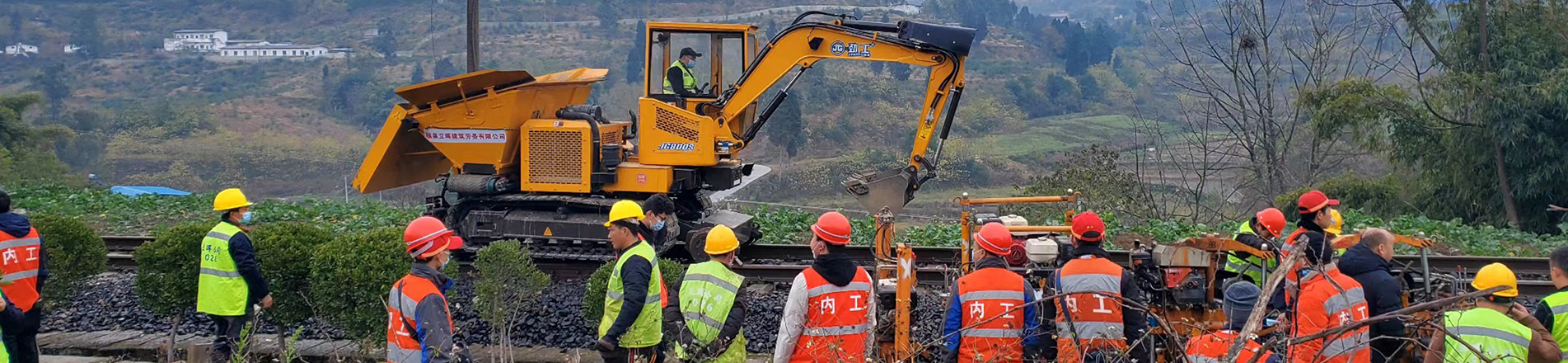
يُعد الحفاظ على كتف الحصى بشكل صحيح أمرًا ضروريًا لاستقرار مسار السكك الحديدية، وأداء الصرف، والسلامة التشغيلية على المدى الطويل.
في التشغيل اليومي للسكك الحديدية، تؤدي أحمال القطارات المتكررة والاهتزازات إلى تغيير تدريجي في شكل طبقة الحصى. ومع مرور الوقت، قد تنتشر طبقة الحصى بعيدًا عن حافة السكة، وقد تنسد قنوات التصريف، وقد تنخفض مقاومة السكة الجانبية.
تشمل مشاكل الصابورة الشائعة ما يلي:
· توزيع غير متساوٍ للحصى
· تقليل عرض الكتفين
· ضعف أداء الصرف
· إزاحة الحصى بعد تشغيل القطار الثقيل
يساعد منظم كتف الحصى في السكك الحديدية على استعادة شكل الحصى المصمم والحفاظ على ظروف المسار المستقرة.
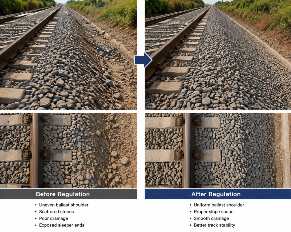
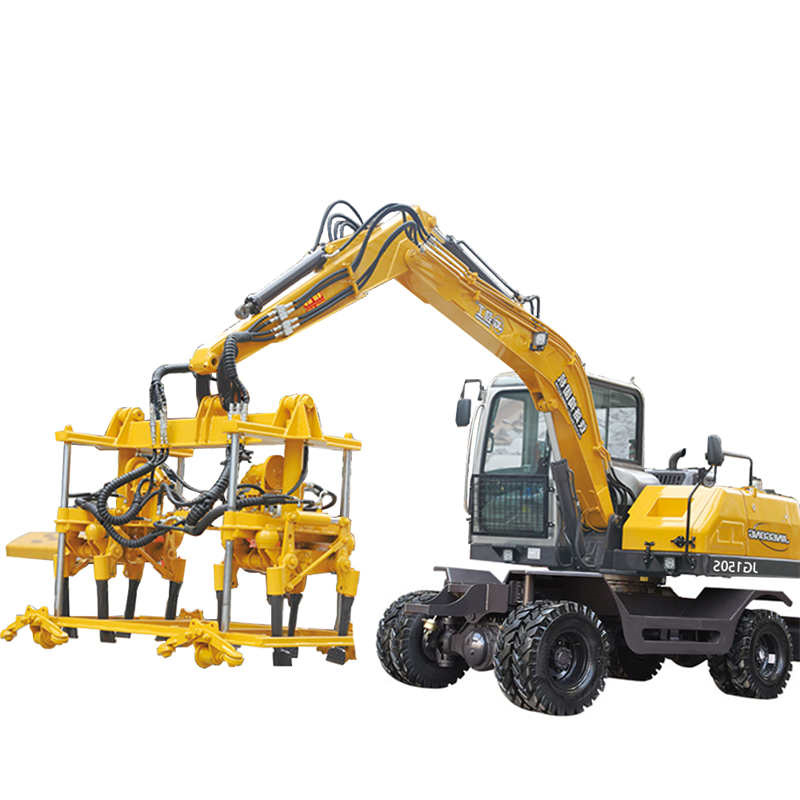
منظم كتف الحصى للسكك الحديدية هو ملحق هيدروليكي متخصص مصمم لإعادة تشكيل وتوزيع الحصى على طول مسارات السكك الحديدية.
بخلاف شفرات الحفر القياسية، فقد تم تطويرها خصيصاً لصيانة حصى السكك الحديدية.
تشمل وظائفها الرئيسية ما يلي:
· استعادة شكل كتف الصابورة
· إعادة توزيع الصابورة الزائدة
· تحسين ظروف الصرف
· دعم استقرار المسار
يتم تركيب الملحق عادةً على:
· حفارات السكك الحديدية
· حفارات السكك الحديدية
· آلات صيانة السكك الحديدية متعددة الأغراض
يوفر حلاً مرناً لمشاريع صيانة السكك الحديدية المحلية.
أثناء التشغيل طويل الأمد، يتحرك الحصى تدريجياً بسبب اهتزاز القطار وأحمال المحاور.
يقوم منظم الصابورة بإعادة تشكيل منطقة الكتف لاستعادة هندسة الصابورة الصحيحة.
يساعد الحفاظ على مستوى الصابورة بشكل صحيح على ما يلي:
· تحسين مقاومة المسار الجانبي
· تقليل التتبع
· الحفاظ على استقرار المحاذاة
· تمديد فترات الصيانة
لا يُستخدم الصابورة فقط لدعم العوارض الخشبية، بل يوفر أيضًا تصريف المياه.
عندما تصبح أكتاف الحصى غير مستوية:
· يصبح تصريف المياه أبطأ
· يتراكم الطين والجسيمات الدقيقة
· تنخفض قوة الصابورة
من خلال تنظيف وإعادة تشكيل منطقة الكتف، يساعد منظم الحصى في الحفاظ على تصريف أفضل حول هيكل المسار.
يساهم دكّ الحصى وتنظيم الحصى في حل مشاكل صيانة السكك الحديدية المختلفة.
تتضمن عملية الصيانة النموذجية ما يلي:
آلة الدك:
· تصحيح هندسة المسار
· يرفع ويضبط مسار السكة الحديدية
· يتم ضغط الحصى أسفل العوارض الخشبية
منظم الصابورة:
· يعيد شكل الكتف
· يعيد توزيع الصابورة
· يحسن تصريف المياه
معًا، يشكلون حلاً أكثر شمولاً لصيانة المسارات.
تتطلب صيانة الصابورة اليدوية التقليدية ما يلي:
· المزيد من العمال
· وقت صيانة أطول
· ارتفاع تكاليف العمالة
يوفر ملحق منظم التوازن الهيدروليكي ما يلي:
يمكن تعديل أجزاء كبيرة من كتف الحصى بسرعة باستخدام آلة واحدة.
تتيح أنظمة التحكم الهيدروليكية للمشغلين تحقيق توزيع أكثر تجانسًا للصابورة.
يقلل التشغيل الميكانيكي من تعرض العمال للعوامل الخارجية في بيئات السكك الحديدية.
تُستخدم منظمات أكتاف الصابورة على نطاق واسع في:
· تركيب مسار جديد
· تشكيل الصابورة النهائية
· تجهيز المسار
· ترميم الصابورة
· تصحيح الكتف
· تحسين الصرف
· تجديد خط سكة حديد قديم
· صيانة السكك الحديدية للشحن الثقيل
· سكك حديد التعدين والسكك الحديدية الصناعية
بالنسبة للعديد من المقاولين، توفر حفارة السكك الحديدية المجهزة بملحقات متعددة مرونة أكبر في مهام الصيانة المختلفة.
يعتمد اختيار الملحق الصحيح على ثلاثة عوامل رئيسية.
يفحص:
· وزن الآلة
· التدفق الهيدروليكي
· ضغط العمل
· نظام التثبيت
قد يؤدي عدم التوافق الصحيح إلى انخفاض كفاءة العمل أو مشاكل هيدروليكية.
يحتوي حصى السكك الحديدية على مواد حجرية شديدة الكشط.
ينبغي أن يمتلك منظم الصابورة المحترف ما يلي:
· مقاومة قوية
· بنية شفرة مستقرة
· ضبط زاوية العمل بشكل موثوق
تختلف متطلبات تطبيقات السكك الحديدية المختلفة.
قم بالتركيز على:
· ملف تعريف دقيق للصابورة
· هندسة المسار السلس
قم بالتركيز على:
· ثبات جانبي قوي
· فترات خدمة طويلة
قم بالتركيز على:
· المرونة
· سهولة النقل
· انخفاض تكلفة التشغيل
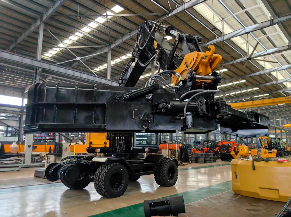
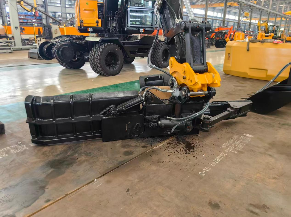
يقوم منظم الحصى بإعادة تشكيل وتوزيع الحصى على طول حافة المسار لتحسين استقرار المسار وتصريف المياه.
نعم. يُستخدم عادةً مع حفارات السكك الحديدية وآلات صيانة السكك الحديدية متعددة الأغراض.
نعم. تعمل عملية الدك على تحسين دعم الصابورة تحت العوارض الخشبية، بينما تعمل عملية التنظيم على استعادة شكل الصابورة الخارجية.
العمليتان متكاملتان.
تُستخدم على نطاق واسع في:
· إنشاء السكك الحديدية
· صيانة المسارات
· خطوط السكك الحديدية للشحن
· سكك حديد التعدين
·
الدك اليدوي مقابل آلة الدك الهيدروليكية: أيهما أكثر فعالية من حيث التكلفة؟
مقدمة عن منتج معدات حفارة السكك الحديدية